Medically Reviewed By:
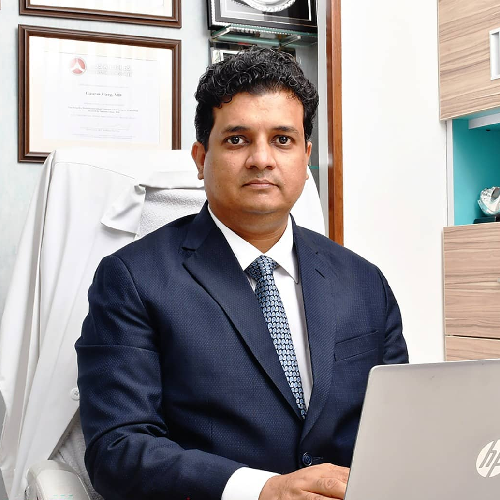
Dr. Gaurav Garg
Hair Transplant Surgeon
Dermalife Hair & Skin Clinic, Delhi
MBBS and MD Dermatology and Venerology
Member of IHRS and AHRS
Performed more than 10,000 hair transplants
Dr. Gaurav Garg is an experienced hair transplant surgeon in Delhi specializing in advanced hair restoration, scalp treatments, and non-surgical hair loss solutions. With over 15 years of clinical experience treating hair loss, scalp disorders, and hair transplant patients, he focuses on personalized treatment plans to help patients restore healthy, natural hair growth.
Hair transplant surgery in Delhi is one of the most effective solutions for restoring hair in people experiencing hair thinning or baldness. However, the success of a hair transplant does not depend only on the surgery itself. Proper post-transplant care is crucial for ensuring healthy graft survival and natural hair growth.
Many patients assume that once the transplant procedure is complete, the job is done. In reality, the first few weeks after a hair transplant are extremely important for protecting the newly implanted grafts and supporting the healing process.
At Dermalife Hair & Skin Clinic in Delhi, we emphasize that careful scalp care, lifestyle adjustments, and medical guidance can significantly improve hair transplant results.
According to the American Academy of Dermatology, proper scalp hygiene, infection prevention, and post-procedure care are essential to protect transplanted hair follicles and promote healthy hair growth.
In this guide, we explain how to take care of your hair after a hair transplant, what to expect during recovery, and the best practices recommended by hair transplant doctors in Delhi.
Why is post-hair-transplant care important?
During a hair transplant procedure, healthy hair follicles are extracted from the donor area and implanted into areas of hair loss. With proper care:
- You can protect newly implanted grafts
- Reduce swelling and discomfort
- Prevent infection
- Support healthy hair follicles
- Promote natural hair growth
Neglecting post-transplant care can lead to complications like infection and poor hair growth. Many patients at Dermalife notice visible hair growth between the 3rd and 6th months after the procedure when proper post-transplant care is followed.
How Long Does a Hair Transplant Last?
After a hair transplant in Delhi, the results can last for a long time, but the outcome depends on many factors, such as the quality of the transplant and proper post-surgical care.
In some cases, the effect can last for 10 years or more. This depends on the individual patient’s characteristics and the quality of care provided by a hair transplant clinic in Delhi after the surgery.
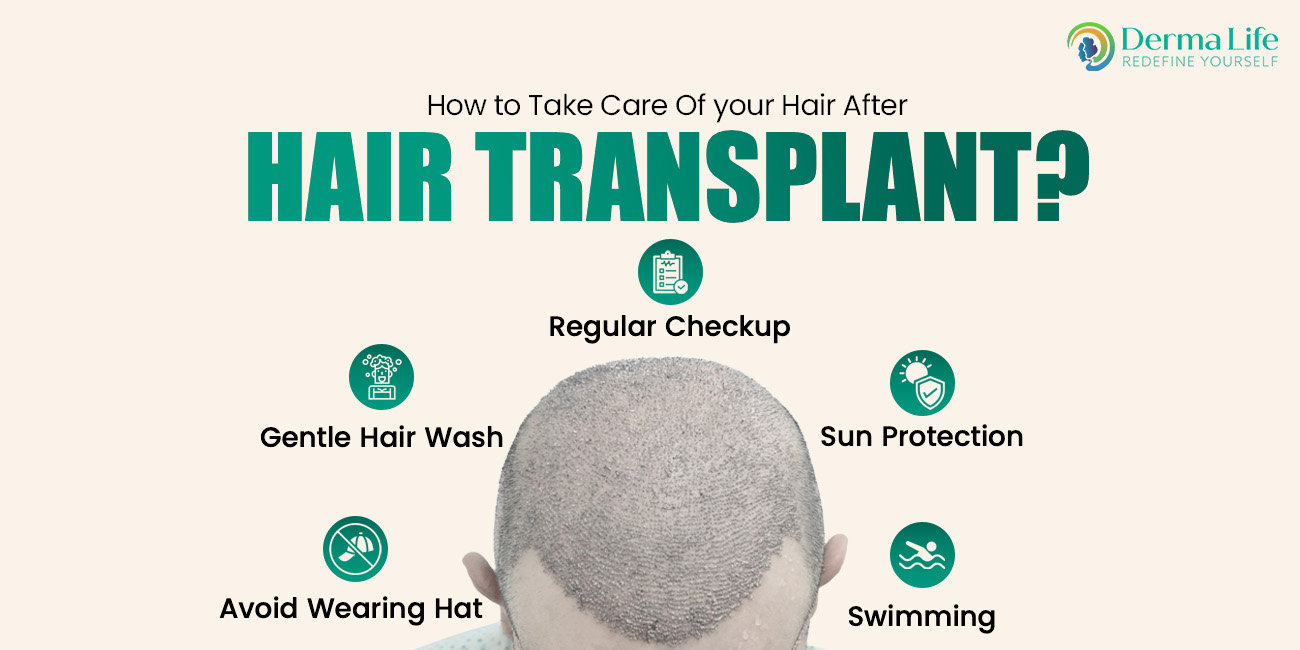
For prolonged results, follow these care recommendations:
- Avoid strain and injury to the head.
- Refrain from wearing accessories such as glasses, hats, or anything that might rub the scalp.
- Avoid high-temperature baths.
- Use medicated shampoos
- Follow Dr. Gaurav Garg’s instructions on when to wash your hair post hair transplant
- Visit your hair transplant doctor regularly to monitor your progress post hair restoration surgery.
Immediate Hair Care Tips Post Hair Transplant
Newly implanted grafts are fragile and therefore dislodge quickly. Patients should avoid:
- Rubbing the transplanted area
- Scratching the scalp
- Wearing tight headgear
- Touching the grafts unnecessarily
Proper scalp protection during the first week is crucial for graft survival.
Keep the Scalp Clean and dry.
It is not recommended to wash your hair during the first 24 to 48 hours after the hair transplant. This will help newly transplanted hair follicles set securely into the scalp. During this time:
- Avoid sweating excessively
- Avoid touching the grafts
- Follow the post-surgery instructions given by the surgeon.
Sleeping Position
Don’t elevate your head during sleeping, as it will promote swelling around the eyes. Instead, sleep normally, resting your head on a normal pillow.
A normal resting position (lying down) prevents swelling from spreading to the forehead and eyes.
Washing Your Hair After a Hair Transplant
Hair washing is an important part of recovery, but it must be done carefully.
Doctors typically recommend starting gentle hair washing after 48–72 hours, depending on the procedure and the progress of healing.
How to Wash Your Hair Safely
- Use a mild, doctor-recommended shampoo.
- Dilute the shampoo with water before applying, and make sure to use it on good leather.
- Pour the shampoo and its leather gently over the scalp, rather than rubbing it directly.
- Pour water to rinse the shampoo and its leather. Avoid strong water pressure.
- Pat the scalp dry using a soft towel (don’t rub).
Never scrub the transplanted area during the early recovery phase.
Which is the best shampoo post hair transplant?
Using the right shampoo supports scalp healing and follicle protection. The dermatologists in Delhi usually recommend:
- Gentle sulphate-free shampoo and conditioner.
- Ph-balanced scalp cleansers
- Medicated shampoo for scalp recovery.
- Gentle light oil if your scalp feels dry.
Patients should avoid:
- Using hair styling products or sprays in the initial week, as chemicals can irritate the scalp.
- Don’t indulge in hair colouring; consult a surgeon before proceeding.
Always consult your hair transplant surgeon before using any new product.
How to manage swelling and discomfort?
Mild swelling and discomfort are very common. The symptoms will appear within the first 2 to 4 days of the hair transplant. To reduce swelling:
- Follow the instructions of your doctor
- Apply a cold compress to the forehead
- Sleep with your head elevated
- Avoid exercise and physical activity
The swelling will disappear in a few days. Keep a track of it by attending all follow-up appointments with Dr. Gaurav Garg.
Understanding Hair Shedding After Hair Transplant
Many patients become concerned when they notice hair shedding a few days after a hair transplant. Dr. Gaurav Garg says that this is completely normal and the follicles will begin producing new hair in 3 to 4 months. According to the International Society of Hair Restoration Surgery, new hair growth typically begins 3–4 months after the procedure as the follicles enter a new growth cycle.
When can I touch my transplanted hair?
Most doctors advise avoiding touching or scratching the transplanted area for at least 7–10 days to prevent graft dislodgement.
When can I return to work after a hair transplant?
Many patients can return to non-physical work within 3–5 days, but strenuous physical activities should be avoided for at least 2 weeks.
Activities to Avoid After Hair Transplant
During the recovery period, certain activities should be avoided to protect the transplanted grafts:
Avoid Intense Physical Exercise
Heavy exercise increases blood pressure and sweating, which may affect graft healing.
Patients should avoid:
- Gym workouts
- Running
- Weightlifting
for at least 2 weeks after the hair transplant surgery in Delhi.
Avoid Direct Sun Exposure
The scalp becomes sensitive after surgery.
Direct sunlight may cause:
- Scalp irritation
- redness
- delayed healing
Hair transplant surgeons in Delhi recommend avoiding direct sun exposure for 2 weeks.
Avoid Smoking and Alcohol
Smoking reduces blood circulation to hair follicles and may affect healing. Alcohol can interfere with medications and increase swelling. Doctors usually recommend avoiding both for at least one week after surgery.
Hair Transplant Recovery Timeline
| Time After Surgery | What Happens |
| 1–3 days | Mild swelling, redness, and sensitivity |
| 1 week | Scabs begin to fall naturally |
| 2–3 weeks | Shock loss may occur |
| 3–4 months | New hair growth begins |
| 6 months | Visible improvement in hair density |
| 12 months | Final hair transplant result |
Hair transplant surgery can deliver natural, long-lasting hair restoration results, but the success of the procedure largely depends on how well patients care for their scalp afterward. The first few weeks after a hair transplant are especially important because the newly implanted grafts are delicate and need proper protection.
Following your doctor’s instructions, maintaining good scalp hygiene, avoiding strenuous activities, and using recommended hair care products can significantly improve graft survival and hair growth results.
Patients should also remember that hair growth after a transplant takes time. It is normal to experience temporary shedding before new hair begins to grow. With patience, proper care, and regular follow-ups, most patients begin to notice visible improvement within a few months.
If you are planning a hair transplant or want guidance on post-transplant care, consulting an experienced hair transplant surgeon is essential for achieving safe and natural-looking results.
About Dermalife Hair & Skin Clinic, Delhi
At Dermalife Hair & Skin Clinic, Dr. Gaurav Garg and his team specialise in advanced hair transplant techniques, scalp treatments, and personalised hair loss solutions. With thousands of successful procedures and years of clinical experience, the clinic focuses on providing safe treatments and natural hair restoration results.
If you are considering a hair transplant in Delhi or want expert advice on hair transplant recovery and scalp care, schedule a consultation with Dr Gaurav Garg to understand the best treatment options for your hair concerns.
- How many days after a hair transplant can I wash my hair?
Most doctors recommend washing hair gently after 48–72 hours using a mild shampoo. - When does new hair start growing after a hair transplant?
New hair growth usually begins around 3–4 months after the procedure. - Can I wear a cap after a hair transplant?
Patients should avoid tight caps or hats for at least 7–10 days after surgery. - Is hair shedding normal after a hair transplant?
Yes, temporary shedding known as shock loss is normal, and new hair grows in the following months.
dermalife
Dermatologist Hair Transplant Surgeon
Dr. Gaurav Garg, an esteemed MBBS and MD in Dermatology from the prestigious GS Medical College and KEM Hospital in Mumbai, is a certified hair transplant surgeon and renowned skin specialist. With over 18 years of hands-on experience, Dr. Garg has successfully transformed countless lives with his expert care and innovative techniques. As the Founder and Director of Dermalife Skin and Hair Clinic, one of the best hair transplant clinics in Delhi, Dr. Garg stands at the forefront of cutting-edge dermatological and hair restoration treatments. He pioneered the Boosted Hair Transplant Technique, a breakthrough approach that offers natural-looking and long-lasting results. Recognized as one of the best hair transplant surgeons in India, Dr. Gaurav Garg has performed more than 10,000 successful hair transplants, helping patients regain their confidence and self-image. His excellence is trusted not just by everyday patients, but also by celebrities and public figures. He has performed hair transplants for Bhakhtiyar Irani, PR Sreejesh, Shaji Chaudhary, Saanand Verma, and many others — further solidifying his credibility, skill, and industry reputation. To consult with Dr. Gaurav Garg at one of the celebrity hair transplant surgeon in India, call us at +91-8882047047 or email info@dermalife.co.in