Medically Reviewed By:
Dr Gaurav Garg
Hair Transplant Surgeon
Dermalife Hair & Skin Clinic, Delhi
MBBS, MD Dermatology, and recipient of the Chikitsa Ratan Award 2023
18+ years of experience in scalp health, hair loss treatment, and hair transplant
More than 10,000 hair transplants, and the inventor of Boosted FUE
Member of IHRS and AHRS
Dr. Gaurav Garg is an experienced hair transplant surgeon in Delhi specializing in advanced hair restoration procedures, scalp treatments, and non-surgical hair loss solutions. With years of clinical experience in treating hair loss conditions, he focuses on personalized treatment plans to help patients restore healthy hair growth. He holds an MBBS and MD in Dermatology and has extensive experience treating hair loss, scalp disorders, and hair transplant patients in Delhi.
Scalp health and hair loss are closely connected. Many people experience hair thinning because of scalp problems they don’t notice. Hair loss is not just about weak strands — it often begins much deeper, at the level of the scalp. At Dermalife Hair & Skin Clinic, a hair transplant clinic in Delhi, we frequently meet patients who have tried oils, shampoos, supplements, and home remedies for months, sometimes years, without understanding one critical truth:
Healthy hair cannot grow from an unhealthy scalp. Just like fertile soil is necessary for a plant to thrive, your scalp environment determines whether your hair will grow strong, shed prematurely, or gradually thin over time. According to Dr. Gaurav Garg, poor scalp health can disrupt the hair cycle growth, weaken the hair follicles, and cause hair shedding and hair thinning.
Let’s understand scientifically and practically how scalp health plays a central role in preventing hair loss.
Why Scalp Health Is Important for Hair Growth and Preventing Hair Loss
According to the American Academy of Dermatology, scalp inflammation, fungal infections, and excess sebum can weaken hair follicles and contribute to hair loss over time. Your scalp is more than just skin under your hair. It contains about 100,000 hair follicles for producing a strand of hair. These follicles need a clean, well-nourished, and well-oxygenated environment to thrive. In short, they need a balanced scalp microbiome. Conditions like telogen effluvium or androgenetic alopecia may worsen when scalp inflammation and follicle damage are present. Poor scalp can lead to:
- Shrinking hair follicles
- Reduced blood flow
- Clogged pores with oil, dead skin, or product residue
- Inflammation and infection
- Weak hair roots
These issues weaken hair at the root, leading to excessive shedding and even permanent hair loss.
Common Scalp Issues that Cause Hair Loss
Dandruff: It is one of the most common scalp conditions that is caused by yeast overgrowth, oily skin, and sensitivity. It causes itching and flaking that can damage the follicles. Symptoms include:
- White flakes
- Persistent itching
- Scalp irritation
If not treated, dandruff can weaken hair follicles and accelerate hair fall.
Scalp Psoriasis: It is an autoimmune condition that causes red and thick patches on the skin. It leads to disruption in hair follicle activity and causes temporary hair loss. Frequent scratching can also damage hair follicles and lead to further hair thinning.
Fungal infections: Ringworm on the scalp can cause itchy patches and may lead to hair loss in that area. It is common in children and affects adults, too. These infections directly affect the hair follicles and lead to hair loss.
Excess oil and sebum: While natural oils are important, too much oil can clog the pores and create a breeding ground for bacteria and suffocate hair follicles, leading them to death.
Dry Scalp: Dry scalp can cause irritation, flaking, and itching. It can also reduce blood circulation and cause dry hair.
Poor Hygiene and Product Build Up: Using too many styling products and not washing hair regularly can weaken the roots and block the hair follicles.
How Scalp Inflammation Leads to Hair Thinning
When the scalp is inflamed:
- Blood flow decreases.
- Oxygen supply reduces.
- Follicles enter the resting phase earlier.
- Hair strands become thinner over time.
Chronic inflammation is often a hidden reason behind gradual hair thinning that patients mistake for “normal hair fall.” This is why at Dermalife, a leading clinic offering hair transplant, scalp calming therapies are often the first step before any advanced hair growth treatment.
The Role of Blood Circulation in Hair Growth
Hair follicles require a continuous nutrient and oxygen supply. Poor circulation results in:
- Weak roots
- Slow regrowth
- Increased hair shedding
Professional scalp therapies improve microcirculation and revive dormant follicles, especially in the early stages of hair loss.
Importance of Proper Scalp Cleansing
Maintaining proper scalp hygiene is essential to prevent hair loss. Many patients either:
- Wash hair too frequently with harsh shampoos, or
- Avoid washing due to fear of hair fall
Both approaches can harm scalp health.
Proper cleansing should:
- Remove excess oil
- Eliminate fungal buildup
- Maintain pH balance
- Protect the natural moisture barrier
At Dermalife, shampoo recommendations are personalized based on scalp type — oily, dry, sensitive, or combination.
How to Maintain a Healthy Scalp
Let us explore the key strategies given by Dr. Gaurav Garg, a hair transplant doctor in Delhi, to maintain a healthy scalp that will safeguard you against hair loss.
- Regular cleansing will help to remove excess oil, sweat, and dirt that can impede hair growth.
- Select hair products that are enriched with ingredients that promote scalp health like tea tree oil, aloe vera, and salicylic acid.
- A soothing scalp massage feels heavenly and stimulates blood circulation to the hair follicles.
- Regular exfoliation using gentle scrubs can remove dead skin cells and unclog hair follicles.
- Consume a balanced diet that is rich in vitamins and minerals.
- Just as your body needs water to function, your hair also needs adequate hydration, which can hinder hair growth.
- Chronic stress can wreak havoc on your scalp. Practice stress management techniques like yoga, meditation, and mindfulness to reduce stress levels.
- Avoid overstyling your hair as chemical treatments can damage your hair and scalp.
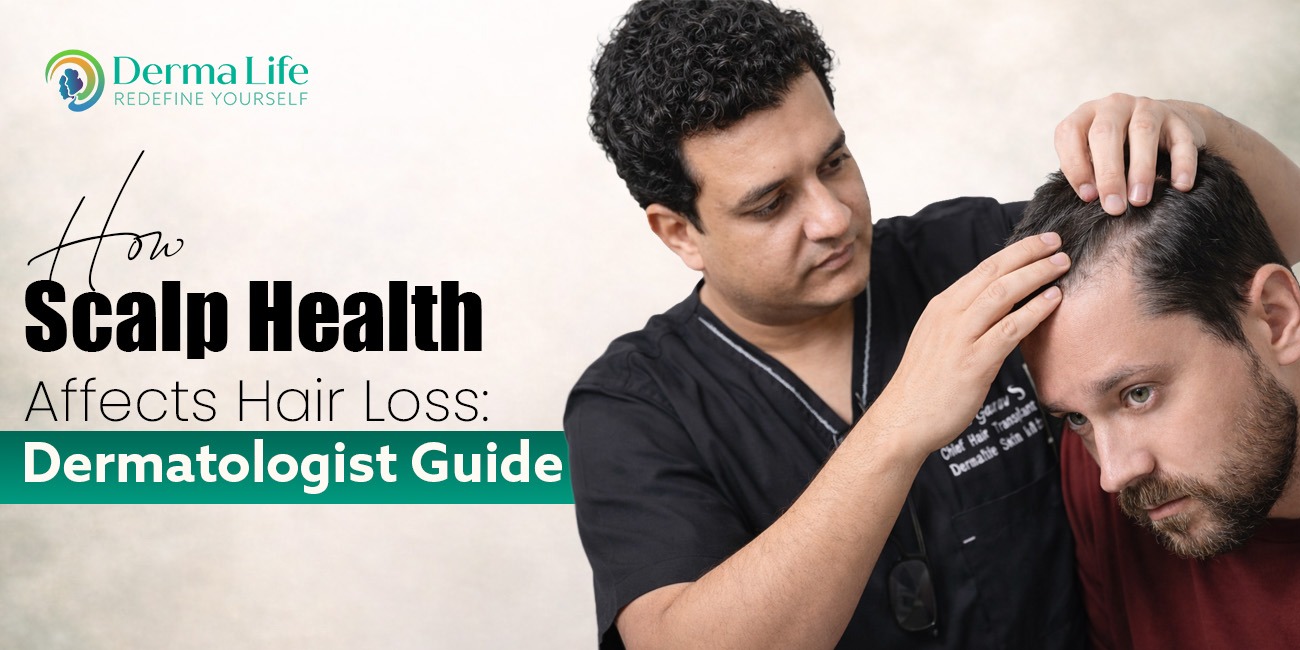
- Consider visiting a dermatologist who specializes in scalp care, as they can diagnose and address the issues
Early Signs Your Scalp Needs Attention
Many people ignore early warning signals. Watch for:
- Persistent itching
- Burning sensation
- Redness
- Pain while touching hair
- Sudden increase in hair shedding
- Greasy scalp within hours of washing
These are not minor issues — they are early indicators of follicle stress.
Professional Scalp Evaluation: Why It Matters
Self-diagnosis often delays proper treatment.
At Dermalife Hair & Skin Clinic, advanced scalp assessment tools help evaluate:
- Follicle density
- Miniaturization
- Sebum levels
- Inflammation markers
- Hair growth cycle stage
This allows a customized treatment plan rather than random product usage.
Scalp Treatments That Support Hair Loss Prevention
Depending on the diagnosis, hair treatment in Delhi may include:
Medicated Scalp Therapy: To control fungal infection and inflammation.
PRP (Platelet-Rich Plasma): Stimulates follicles and improves scalp environment. It is one of the major hair transplant treatments in Delhi.
Mesotherapy: Delivers nutrients directly into the scalp.
Low-Level Laser Therapy: Enhances blood flow and follicle stimulation.
Customized Medical Shampoos & Serums: To maintain long-term scalp balance.
The goal is not just to stop hair fall temporarily but to create a healthy scalp ecosystem for sustained growth.
Daily Habits That Improve Scalp Health
According to dermatologists in Delhi, you can support your scalp by:
- Washing with mild, doctor-recommended shampoo
- Avoiding excessive heat styling
- Massaging gently to improve circulation
- Managing stress
- Eating a protein-rich diet
- Staying hydrated
- Avoiding tight hairstyles
Small, consistent habits make a big difference over time.
When to Seek Medical Help
Consult a specialist if:
- Hair fall persists for more than 3 months
- Thinning is visibly increasing
- Bald patches appear
- Dandruff is severe and recurring
- There is scalp pain or burning
Early intervention prevents long-term follicle damage.
Final Words from Dermalife
Hair loss rarely begins at the strand level — it begins at the root, and the root lives in your scalp. Ignoring scalp health while focusing only on hair length or shine is like watering leaves while neglecting the soil. Maintaining good scalp health is one of the most important steps to prevent hair loss and promote hair growth.
At Dermalife Hair & Skin Clinic, our approach is simple: Restore scalp balance first. Strengthen follicles second. Protect long-term growth always.
If you are experiencing hair thinning, increased shedding, or scalp discomfort, early evaluation can make all the difference.
Because when the scalp is healthy, hair naturally follows. Contact us today for the best hair transplant in Delhi.
FAQs
Can poor scalp health cause hair loss?
Yes. Conditions like dandruff, fungal infections, excess oil, and scalp inflammation can weaken hair follicles and lead to increased hair shedding.
How do I know if my scalp is unhealthy?
Common signs include itching, redness, flakes, burning sensation, excessive oil, and sudden hair fall.
Can treating scalp problems reduce hair loss?
Yes. Treating scalp infections, dandruff, and inflammation early can help restore follicle health and reduce hair shedding.
Does scalp massage help hair growth?
Gentle scalp massage improves blood circulation and supports nutrient delivery to hair follicles.
When should I see a dermatologist for hair loss?
If hair fall continues for more than three months or you notice thinning hair, bald patches, or persistent scalp irritation, it is advisable to consult a specialist.
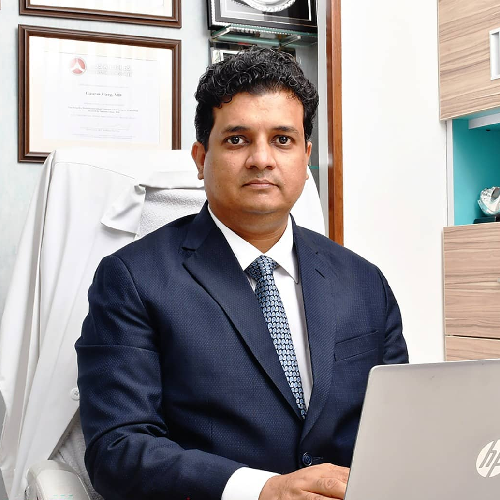
Dr. Gaurav Garg
Dermatologist Hair Transplant Surgeon
Dr. Gaurav Garg, an esteemed MBBS and MD in Dermatology from the prestigious GS Medical College and KEM Hospital in Mumbai, is a certified hair transplant surgeon and renowned skin specialist. With over 18 years of hands-on experience, Dr. Garg has successfully transformed countless lives with his expert care and innovative techniques. As the Founder and Director of Dermalife Skin and Hair Clinic, one of the best hair transplant clinics in Delhi, Dr. Garg stands at the forefront of cutting-edge dermatological and hair restoration treatments. He pioneered the Boosted Hair Transplant Technique, a breakthrough approach that offers natural-looking and long-lasting results. Recognized as one of the best hair transplant surgeons in India, Dr. Gaurav Garg has performed more than 10,000 successful hair transplants, helping patients regain their confidence and self-image. His excellence is trusted not just by everyday patients, but also by celebrities and public figures. He has performed hair transplants for Bhakhtiyar Irani, PR Sreejesh, Shaji Chaudhary, Saanand Verma, and many others — further solidifying his credibility, skill, and industry reputation. To consult with Dr. Gaurav Garg at one of the celebrity hair transplant surgeon in India, call us at +91-8882047047 or email info@dermalife.co.in